The PCOS Diet: Eating to Support Hormone and Blood-Sugar Balance
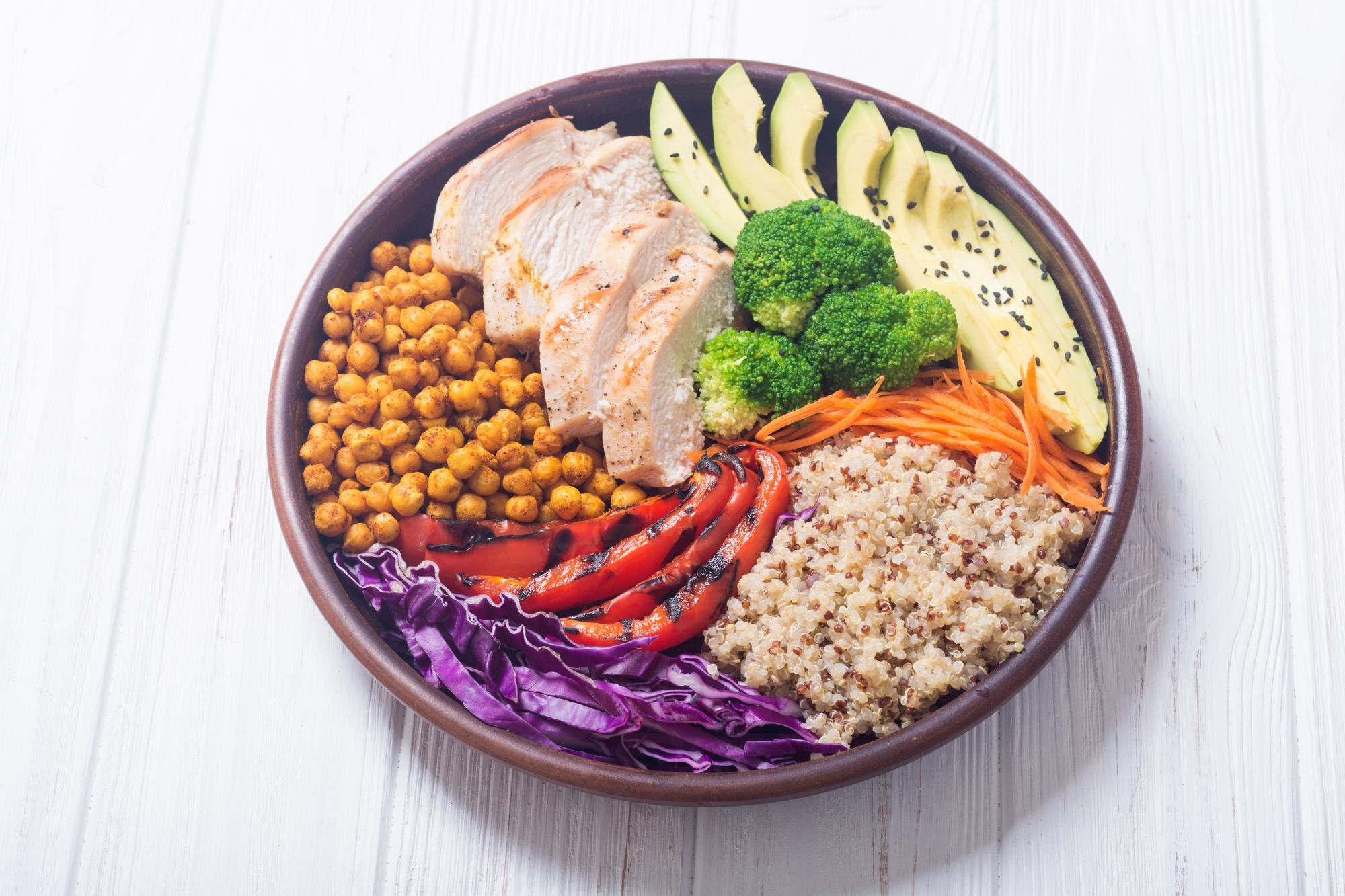
A PCOS diet focused on blood-sugar balance — combining wholefood low-GI carbohydrates, protein and healthy fats at regular meals — is associated with improved insulin sensitivity and general metabolic wellbeing. Alongside GP and specialist care, this approach may help support hormonal balance in people living with polycystic ovary syndrome.
Key takeaways
- PCOS affects approximately 1 in 10 women in the UK and is closely linked to insulin resistance, which may contribute to elevated androgen levels.
- Up to 80% of people with PCOS may have some degree of insulin resistance, making blood-sugar balance a key focus for nutritional support.
- Low-GI eating patterns are associated with significant reductions in insulin resistance and testosterone in women with PCOS, according to a 2021 meta-analysis of eight randomised controlled trials.
- The DASH dietary pattern ranked highest across four metabolic markers in a 2024 network meta-analysis of 19 RCTs — no single “best” diet exists, and sustainable wholefood eating is the consistent evidence-based theme.
- Regular movement — both aerobic and strength-based — is associated with improved insulin sensitivity independent of weight change.
- Nutritional therapy is a complementary approach; always work alongside your GP, endocrinologist or registered dietitian for clinical care of PCOS.
What is PCOS and why does insulin matter?
Polycystic ovary syndrome is one of the most common hormonal conditions in women of reproductive age. Understanding the role of insulin is the first step to making sense of how eating patterns may support wellbeing.
PCOS affects approximately 1 in 10 women in the UK, though more than half experience no symptoms at all. Diagnosis is confirmed when two of three Rotterdam criteria are present: irregular or absent periods, elevated androgens (either on a blood test or visible as acne, excess hair growth, or hair thinning), or polycystic-appearing ovaries on ultrasound. The condition typically first appears in the late teens or early twenties, and its presentation varies considerably between individuals.
At the heart of many PCOS presentations is insulin resistance — a state in which the body’s cells respond less readily to insulin, prompting the pancreas to produce more of it to maintain normal blood-glucose levels. The British Dietetic Association (BDA) notes that up to 80% of people with PCOS may be resistant to the effects of insulin. Crucially, elevated circulating insulin is associated with increased androgen production from the ovaries — particularly testosterone — which may contribute to many of the hallmark features of the condition: irregular cycles, acne, and changes in hair growth.
PCOS is also associated with an elevated long-term metabolic risk. A 2024 UK cohort study published in the Journal of Clinical Endocrinology & Metabolism (1,008 PCOS patients vs 5,017 controls) found a hazard ratio of 1.47 for type 2 diabetes and 1.76 for all-cause cardiovascular disease after full adjustment. This underscores why supporting blood-sugar balance from an early stage may be important for long-term health — alongside regular GP monitoring.
What does a blood-sugar-supportive PCOS diet look like?
There is no single prescribed “PCOS diet,” but the consistent evidence-based theme is a balanced, wholefood eating pattern built around low-GI carbohydrates, adequate protein, and healthy fats — eaten at regular intervals throughout the day.
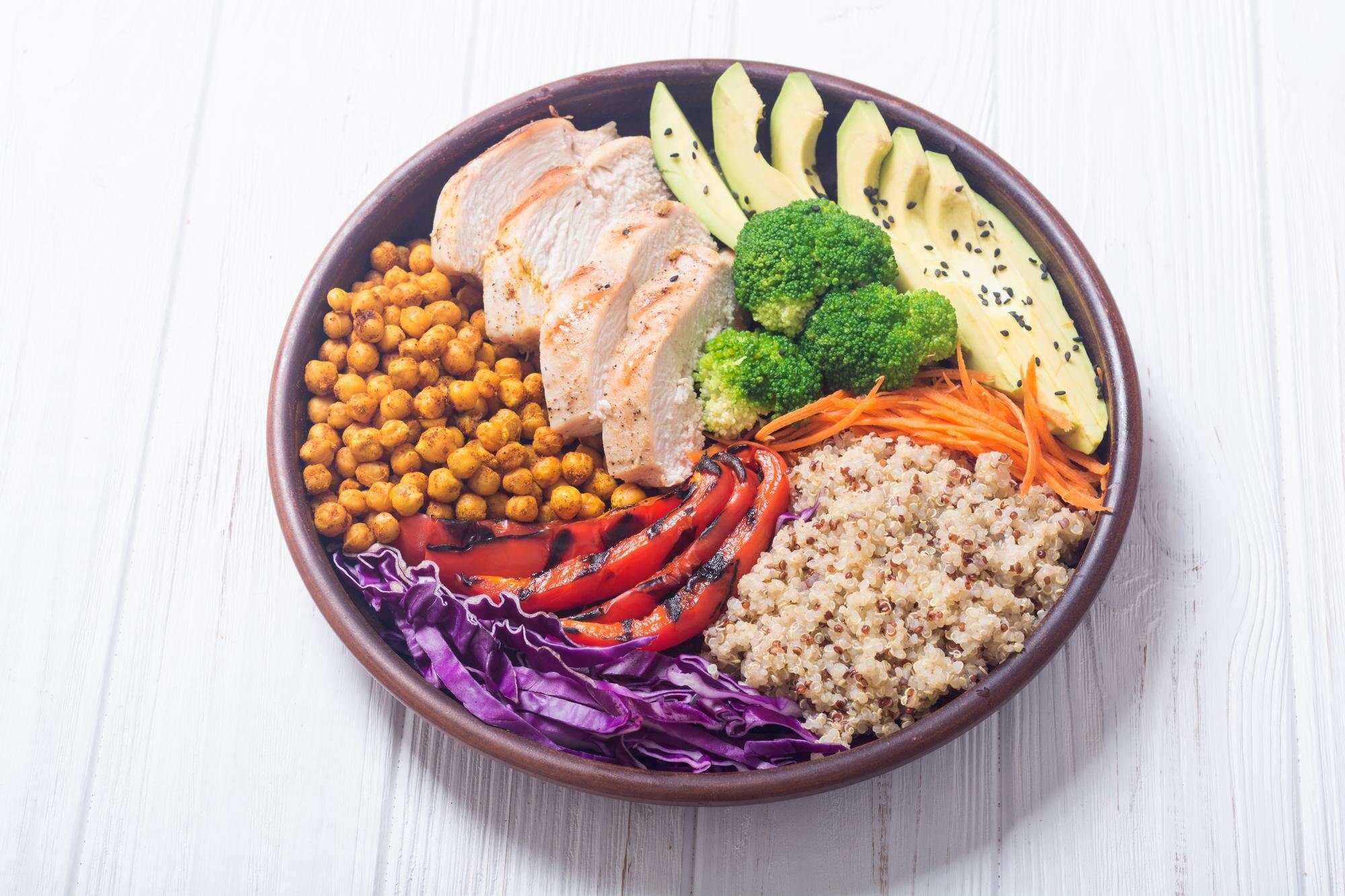
The BDA recommends combining protein, low-glycaemic index (GI) carbohydrates, and healthy fats at each meal to help stabilise blood glucose and avoid the sharp spikes and troughs that may exacerbate insulin resistance. In practice, this means building meals around a foundation of:
- Wholegrains and high-fibre carbohydrates — oats, brown rice, quinoa, wholemeal bread, lentils, and legumes. These release glucose more gradually than refined alternatives, helping to blunt postprandial blood-sugar rises.
- Protein at every meal — eggs, fish, poultry, legumes, tofu, nuts, and seeds. Protein slows gastric emptying and reduces the glycaemic impact of carbohydrates eaten alongside it.
- Healthy, unsaturated fats — olive oil, avocado, nuts, and seeds. Fat further lowers the overall glycaemic load of a meal and supports satiety between meals.
- Plenty of vegetables and some fruit — at least five portions daily, as recommended by the NHS, with non-starchy vegetables forming the bulk. Fibre from vegetables and legumes feeds beneficial gut bacteria and may support hormone metabolism.
Regular meal timing — avoiding long gaps between meals — is also commonly associated with more stable blood-glucose patterns throughout the day.
What does the evidence say about low-GI eating and PCOS?
A low-glycaemic index dietary approach has the most consistent body of research behind it in the context of PCOS and insulin sensitivity.
A 2021 systematic review and meta-analysis published in Heliyon pooled data from eight randomised controlled trials involving 412 women with PCOS. It found that a low-GI dietary pattern was associated with:
- A significant reduction in insulin resistance (HOMA-IR standardised mean difference −0.36, p=0.003)
- A significant reduction in testosterone (SMD −0.52, p=0.0009)
- A significant reduction in body fat (−2.90 kg, p<0.0001)
A separate 2024 network meta-analysis published in Reproductive Health compared 19 different dietary interventions across 727 women with PCOS. The DASH (Dietary Approaches to Stop Hypertension) diet — rich in vegetables, wholegrains, lean protein, low-fat dairy, nuts, seeds, and healthy fats — ranked highest for reducing insulin resistance (SUCRA 92.33%), fasting blood glucose (SUCRA 85.92%), fasting insulin (SUCRA 79.73%), and triglycerides (SUCRA 82.07%).
Importantly, the 2023 International Evidence-based PCOS Guideline (developed by Monash University in collaboration with international professional bodies) found no evidence to prefer any single diet composition over another — it emphasises that sustainability and individual preference matter more than adhering to a specific labelled diet. Low-GI wholefood principles appear consistently across the most effective patterns.
Which foods are particularly worth including?
While individual needs vary and personalised nutritional advice from a registered professional is always recommended, certain foods appear consistently in the evidence base for supporting metabolic wellbeing in PCOS.
Oily fish — mackerel, salmon, sardines, and anchovies — are a rich source of omega-3 polyunsaturated fatty acids (EPA and DHA). A 2024 meta-analysis in Nutrients found that omega-3 PUFAs were associated with:
- Reduced triglycerides (mean reduction 29.21 mg/dL)
- Reduced HOMA-IR (a marker of insulin resistance)
- Decreased total testosterone and increased sex hormone-binding globulin (SHBG)
- Reduced hs-CRP, a marker of low-grade inflammation
The NHS recommends oily fish 1–2 times per week. For those who do not eat fish, plant-based omega-3 sources such as chia seeds, flaxseeds, hemp seeds, and walnuts provide ALA, a precursor that the body can partially convert.
Other foods worth building into regular eating include:
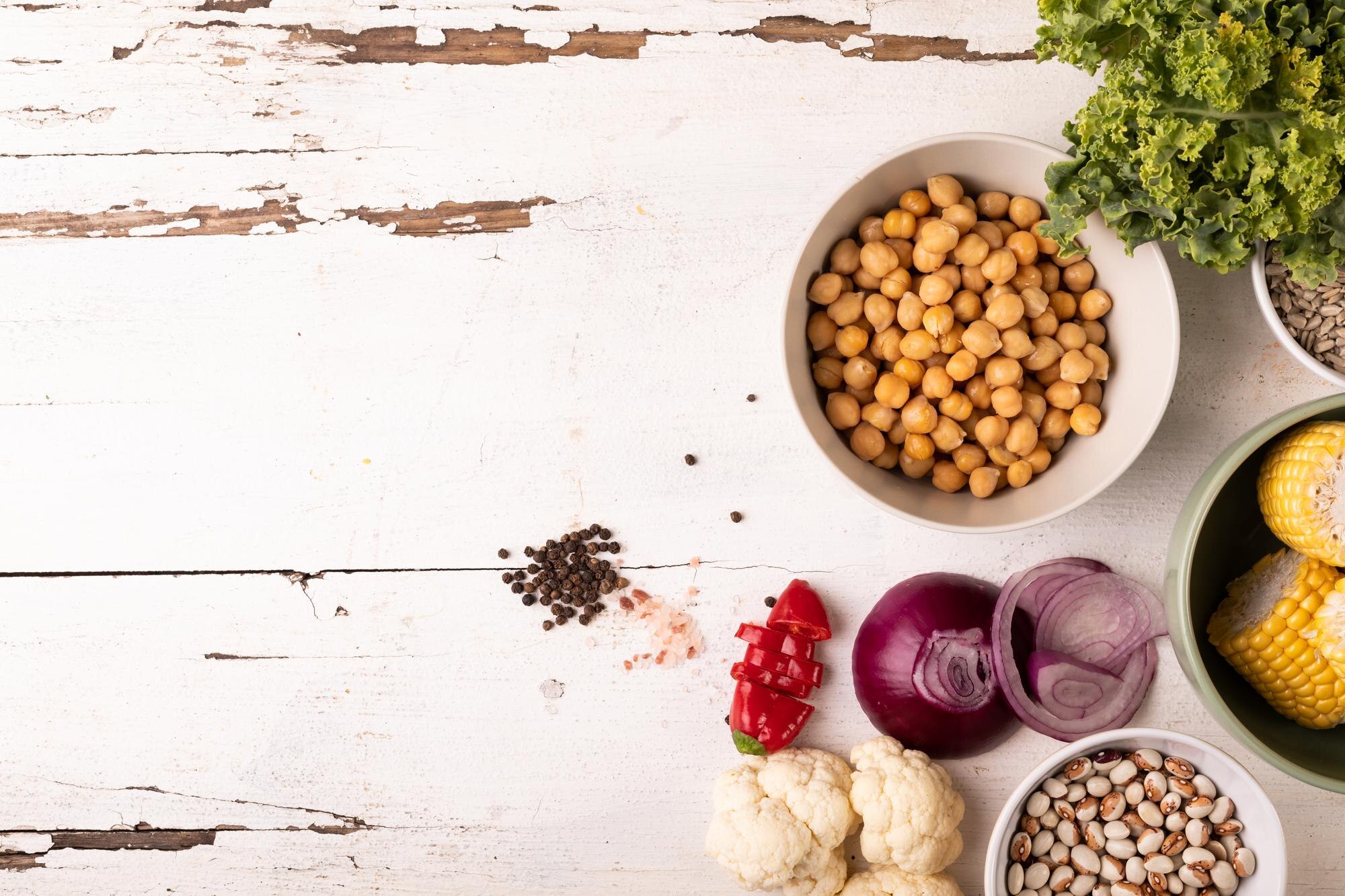
- Legumes (lentils, chickpeas, black beans) — high in both fibre and protein, with a low glycaemic index
- Fermented foods (live yoghurt, kefir, sauerkraut) — associated with gut microbiome diversity, which is an emerging area of interest in hormonal health
- Leafy greens and cruciferous vegetables (broccoli, kale, spinach, cabbage) — rich in magnesium and compounds that may support oestrogen metabolism
- Berries and lower-sugar fruits — provide fibre, polyphenols, and antioxidants with less impact on blood glucose than dried fruit or fruit juice
- Dairy or fortified plant-based alternatives — associated with modest metabolic benefits in some studies; choose unsweetened varieties
If you are looking for more personalised PCOS support, a nutritional therapist can help you identify eating patterns that fit your individual health picture.
Does sugar affect PCOS?
Rapidly digested, high-GI carbohydrates — including added sugars, refined white flour products, sugary drinks, and ultra-processed snacks — are associated with sharper postprandial blood-glucose rises, which in turn prompt a larger insulin response.
For people with PCOS and underlying insulin resistance, this cycle of elevated blood glucose followed by elevated insulin may compound the hormonal effects associated with the condition. Reducing intake of added sugars and refined carbohydrates is one of the most practical dietary changes supported by the BDA and the international PCOS guidelines.
In practice, this means:
- Swapping sugary drinks for water, herbal teas, or sparkling water with lemon
- Choosing wholegrain bread, pasta, and rice over white refined versions
- Replacing biscuits, cakes, and pastries with fruit, nuts, or plain yoghurt as everyday snacks
- Reading food labels to spot hidden added sugars in sauces, condiments, and flavoured yoghurts
- Pairing fruit with protein or fat (e.g. apple with almond butter) to slow glucose absorption
This is not about eliminating entire food groups or following an overly restrictive eating approach — the 2023 international guideline is clear that sustainable, balanced eating is more important than any short-term dietary restriction.
Can exercise support blood-sugar balance alongside a PCOS diet?
Physical activity is one of the most robustly evidenced lifestyle approaches associated with improved insulin sensitivity in PCOS — and its benefits appear to be independent of weight change.
A 2019 systematic review and meta-analysis published in Systematic Reviews analysed 18 randomised controlled trials involving 758 women with PCOS. Exercise was associated with significant improvements in:
- Fasting insulin (−2.44 μIU/mL)
- HOMA-IR (−0.57)
- LDL cholesterol (−7.39 mg/dL)
- Triglycerides (−4.78 mg/dL)
- Cardiorespiratory fitness (VO₂ max +3.84 ml/kg/min)
The 2023 International Evidence-based PCOS Guideline recommends at least 150–300 minutes of moderate-intensity aerobic activity per week, plus twice-weekly muscle-strengthening activity — consistent with general NHS physical activity guidance. Both aerobic exercise (walking, swimming, cycling) and resistance training have supporting evidence in PCOS.

The guideline explicitly notes that “there are benefits to a healthy lifestyle even in the absence of weight loss” — an important point given that some people with PCOS find weight change particularly challenging.
What about weight and body composition?
Weight is a sensitive topic in PCOS, and it is important to approach it with nuance. The NHS notes that for people with PCOS who are carrying excess weight, even a 5% reduction in body weight may be associated with a meaningful improvement in metabolic and hormonal markers. However, the 2023 international guideline is equally clear that lifestyle benefits — improved insulin sensitivity, reduced androgen levels, improved mood and energy — occur even in the absence of weight loss.
A weight-neutral, wholefood-focused approach is both evidence-supported and more sustainable for most people. The aim of a blood-sugar-supportive PCOS diet is not primarily weight loss — it is to nourish the body consistently, stabilise blood glucose, and support general metabolic wellbeing. For those seeking weight & PCOS support, a personalised approach that considers individual health history, relationship with food, and lifestyle factors is likely to be most effective.
Sleep, stress, and the hormonal picture
Diet and exercise are the most robustly evidenced lifestyle factors in PCOS, but sleep and stress regulation are worth considering as part of a broader wellbeing approach.
PCOS is associated with disruptions in circadian rhythm, including disturbances in cortisol and melatonin patterns. Elevated cortisol — associated with chronic psychological stress — can itself worsen insulin resistance, creating a feedback loop that may compound metabolic challenges. Evidence from systematic reviews supports aerobic exercise, mindfulness, and relaxation practices for reducing cortisol and improving subjective wellbeing.
Poor sleep quality is common in people with PCOS, and inadequate sleep is independently associated with impaired glucose metabolism in the general population. Prioritising consistent sleep timing, a calming bedtime routine, and managing screen exposure in the evenings are simple hygiene measures consistent with general NHS guidance.
While the evidence base for stress and sleep interventions in PCOS specifically is less robust than that for diet and exercise, supporting these areas fits within a holistic, person-centred nutritional therapy approach.
References
- Polycystic ovary syndrome (PCOS) — NHS
- Polycystic Ovary Syndrome (PCOS) and diet — British Dietetic Association (BDA)
- The effect of low glycemic index diet on the reproductive and clinical profile in women with PCOS: systematic review and meta-analysis — Heliyon, 2021 (PMC8600081)
- Ranking the dietary interventions by their effectiveness in PCOS: systematic review and network meta-analysis — Reproductive Health, 2024 (PMC10885527)
- Role of Omega-3 Fatty Acids in Improving Metabolic Dysfunctions in Polycystic Ovary Syndrome — Nutrients, 2024 (PMC11397015)
- Exercise, or exercise and diet for the management of PCOS: systematic review and meta-analysis — Systematic Reviews, 2019 (PMC6371542)
This article is for general education and is not medical advice. Nutritional therapy supports general health and wellbeing; it is not a substitute for medical care, and we do not diagnose, treat, cure or prevent any disease. A nutritional therapist is not a dietitian — “dietitian” is a protected title regulated by the Health and Care Professions Council (HCPC). If you have or suspect you may have PCOS, please speak with your GP or a registered healthcare professional.