What to Eat for More Energy
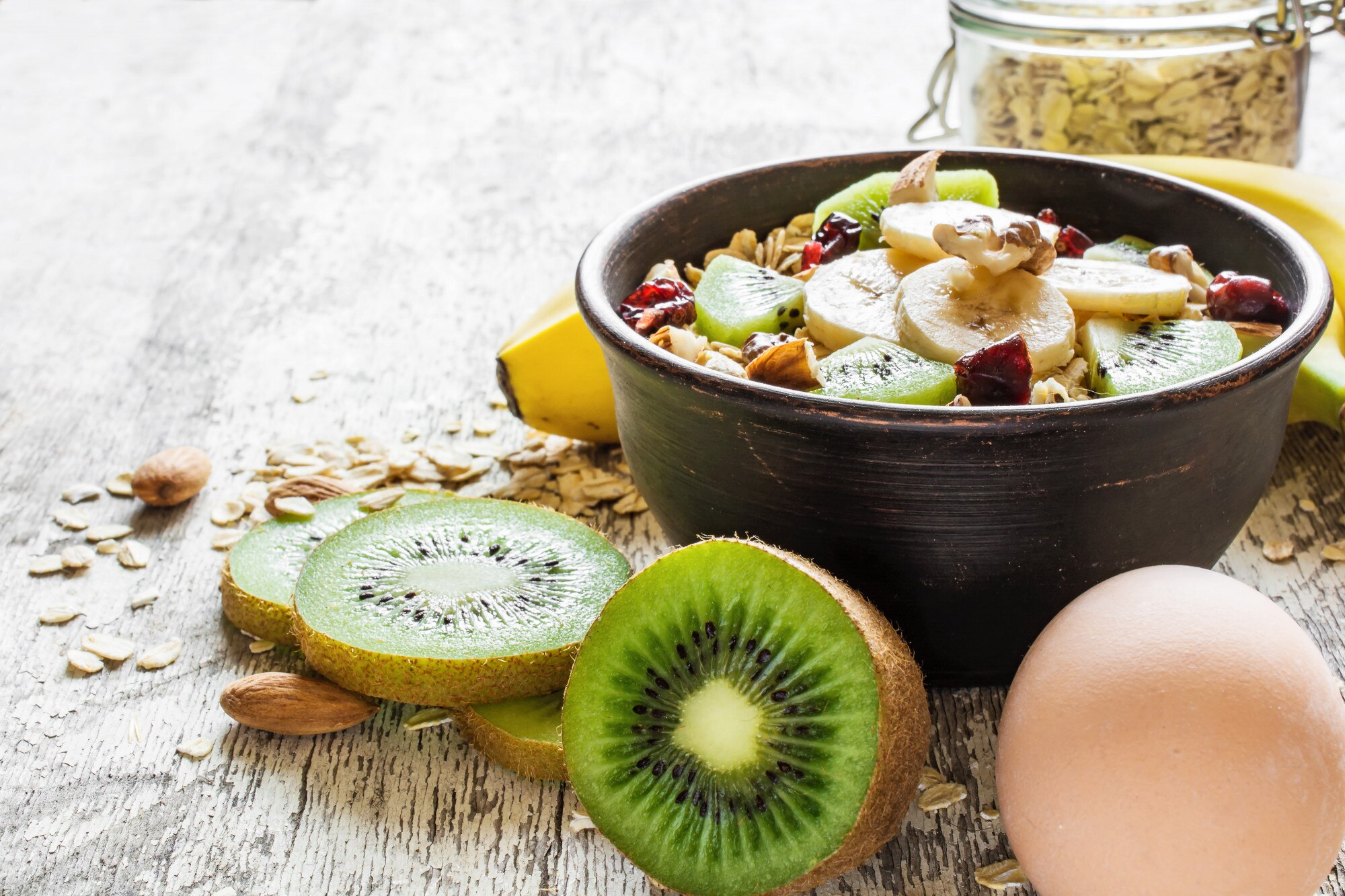
The foods most consistently associated with better, steadier energy are slow-release wholegrains, adequate protein, iron-rich vegetables and legumes, and B-vitamin-dense foods such as eggs and leafy greens — all within a pattern of regular meals, good hydration, and enough sleep. No single food is a fix: sustained energy comes from the pattern, not the plate.
Key takeaways
- Slow-release, high-fibre carbohydrates — oats, wholegrain bread, brown rice — provide a steadier glucose supply than sugary, low-fibre alternatives.
- Iron deficiency is one of the most common nutritional drivers of fatigue in the UK, especially in women of childbearing age; pairing plant iron sources with vitamin C significantly improves absorption.
- B vitamins (particularly B1, B3 and B12) are essential for the body to release energy from food; B12 is found almost exclusively in animal products and fortified foods.
- Even mild dehydration can cause tiredness, difficulty concentrating and light-headedness — aim for 6–8 cups of fluid daily and keep urine pale yellow.
- Regular meals every 3–4 hours, including a protein- and fibre-rich breakfast, help maintain a steadier energy supply than skipping meals or relying on sugary snacks.
- If tiredness has lasted several weeks without a clear cause, see your GP — conditions such as iron-deficiency anaemia, an underactive thyroid and diabetes all commonly present with fatigue.
Why do energy levels dip in the first place?
Understanding the physiology helps you make more targeted food choices, rather than chasing generic “superfoods.” The brain uses roughly 20% of the body’s total energy and depends on a steady glucose supply for concentration and alertness. When that supply is erratic — through skipped meals, very low-carbohydrate eating, or high-sugar diets that cause rapid spikes and dips — most people notice weakness, tiredness and what is often described as “fuzzy-mindedness.”
The NHS identifies stress, poor sleep, inadequate diet and other lifestyle factors as the most common drivers of everyday tiredness. Diet is therefore one piece of a larger picture, not the whole story. A review of randomised controlled trials published in Advances in Nutrition found that skipping breakfast disrupts glucose availability and reduces insulin sensitivity at subsequent meals — meaning the effects of an early-morning shortcut ripple throughout the rest of the day.
When tiredness is unexplained, persistent (lasting more than a few weeks), or accompanied by other symptoms, a GP appointment is the right first step. Nutritional changes are a supportive measure that work best alongside — not instead of — medical assessment.
Which carbohydrates support steadier energy?
Carbohydrates are the body’s primary fuel source, and the quality and fibre content of those carbohydrates matters more than whether you eat them at all.
According to NHS guidance, starchy foods should make up just over a third of what you eat, and wholegrain varieties — wholegrain bread, brown rice, wholemeal pasta, oats and wholegrain breakfast cereals — are digested more slowly, providing a more gradual release of glucose. Gram for gram, starchy foods contain fewer than half the calories of fat, countering a common misconception that carbohydrates are uniquely fattening or energy-disrupting.
The evidence is particularly strong for soluble fibre. Beta-glucan (found in oats and barley), psyllium and cereal fibre consistently show the greatest effect in flattening post-meal glucose spikes, according to the Advances in Nutrition review. Practical choices to prioritise:
- Porridge or steel-cut oats (beta-glucan)
- Wholegrain or seeded bread rather than white
- Brown rice or quinoa instead of white rice
- Wholemeal pasta or lentil-based pasta
- Sweet potatoes with the skin on
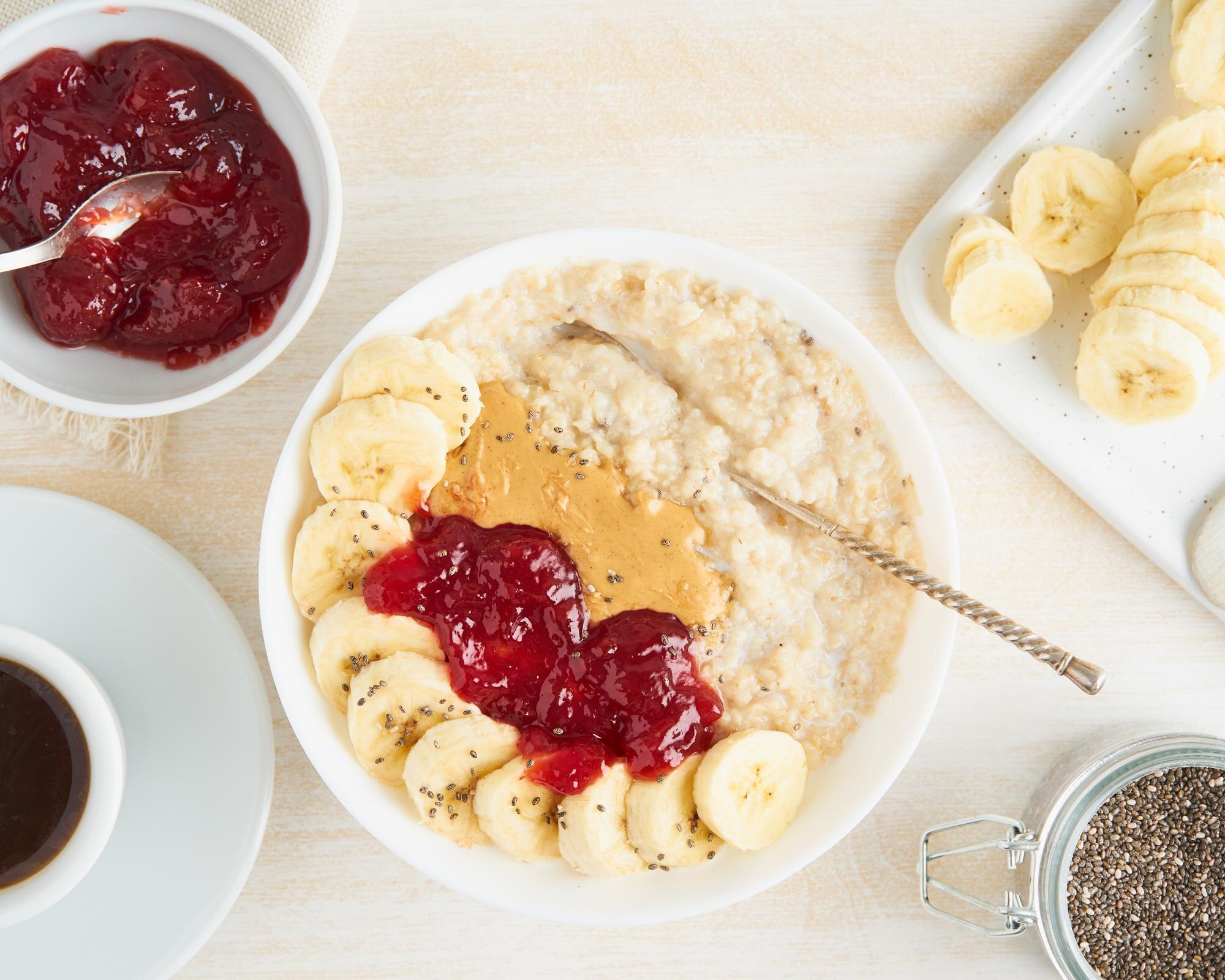
Sugary energy drinks, the BDA notes, are not helpful once blood glucose is within a normal range — the transient lift is typically followed by a subsequent dip, leaving you more tired than before. If you are living with diabetes or a blood-glucose condition, dietary changes in this area should be discussed with your GP or a registered dietitian.
How does iron affect your energy levels?
Iron deficiency is one of the most common nutritional causes of fatigue in the UK, particularly among women of childbearing age and those who follow plant-based diets. Tiredness and a persistent lack of energy are hallmark symptoms of iron-deficiency anaemia; even mild deficiency — before full anaemia develops — can cause paleness, low energy and impaired immunity.
UK reference intakes differ by age and sex: men aged 19 and over need 8.7 mg per day, while women aged 19–49 need 14.8 mg per day (a higher amount to account for menstrual losses), dropping to 8.7 mg after 50. Requirements are also higher during adolescence and pregnancy.
Good dietary sources of iron include:
- Animal sources (haem iron, better absorbed): red meat, liver (not during pregnancy), oily fish
- Plant sources (non-haem iron): red kidney beans, edamame, chickpeas, lentils, dark leafy greens (watercress, curly kale, spinach, broccoli), dried apricots, prunes, raisins, nuts
- Fortified foods: many breakfast cereals and some breads

Non-haem iron from plant foods is absorbed less efficiently, but you can meaningfully improve uptake by eating these foods alongside a vitamin C source — a glass of orange juice, a squeeze of lemon, or some tomatoes or peppers. Conversely, tea, coffee, milk, dairy, bran cereals and unleavened bread can inhibit iron absorption, so it is worth avoiding these at the same meal as your main iron-rich foods.
If you suspect low iron is affecting your energy, speak to your GP about a blood test rather than self-supplementing. Iron supplements in doses above what the body needs can cause side effects, and a confirmed diagnosis means you get the right support.
For personalised guidance, our low-energy support service explores nutrient status alongside broader lifestyle factors.
Why do B vitamins matter for energy?
B vitamins perform a foundational role: they help the body break down and release energy from food, and are essential for red blood cell formation and healthy nervous system function. Without adequate B vitamins, food cannot be efficiently converted into usable fuel.
Three B vitamins are particularly relevant to fatigue:
- Thiamine (B1): involved in carbohydrate metabolism; deficiency causes tiredness, irritability and low mood. Found in wholegrains, legumes, nuts and seeds.
- Niacin (B3): plays a key role in energy metabolism in every cell; deficiency can cause fatigue and cognitive changes. Found in meat, fish, eggs, milk, wholegrains and fortified cereals.
- Cobalamin (B12): essential for red blood cell formation and nerve health; deficiency causes tiredness, weakness, and in prolonged cases, neurological symptoms. The adult requirement is approximately 1.5 micrograms per day.
B12 is found almost exclusively in animal products — meat, fish, eggs and dairy. This makes people following vegan or vegetarian diets, older adults (who absorb B12 less efficiently), and those taking certain medications (such as metformin for diabetes) more vulnerable to deficiency. Plant-based sources include fortified plant milks, fortified breakfast cereals and nutritional yeast. If you have any reason to suspect B12 deficiency, request a blood test from your GP before self-supplementing — the NHS advises a maximum of 2 mg per day unless medically supervised.
Folate (B9) is also worth a mention: deficiency can cause a form of anaemia associated with fatigue and low mood. Good sources include dark leafy greens, citrus fruits, liver and fortified foods.
Can dehydration really make you feel tired?
Yes — and the effect is more significant than many people realise. The NHS lists tiredness as a key symptom of dehydration, alongside difficulty concentrating, light-headedness and dark urine. Even modest fluid deficits can blunt alertness and make physical tasks feel harder.
The NHS recommends aiming for 6–8 cups or glasses of fluid per day — approximately 1.5 to 2.5 litres — keeping urine a pale straw yellow as the practical guide. Crucially, thirst is a late signal: by the time you feel thirsty, some degree of dehydration has already occurred, so sipping regularly throughout the day is a more reliable strategy than waiting for the prompt.
Water and diluted sugar-free squash are reliable everyday choices. Caffeinated drinks — tea, coffee, cola — count towards fluid intake but caffeine also has a diuretic effect and can disrupt sleep if consumed later in the day. The NHS notes caffeine’s effects can last up to seven hours, which means an afternoon coffee may shorten or fragment sleep and contribute to next-day fatigue. Alcohol also contributes to dehydration.

What does an energising breakfast actually look like?
NHS self-help guidance for fatigue recommends eating regular meals and healthy snacks every three to four hours to maintain a steadier energy supply rather than relying on large infrequent meals. Breakfast is a useful anchor for this pattern — and the composition of that breakfast appears to matter.
The Advances in Nutrition review found that breakfast containing both adequate fibre and a meaningful amount of protein (studies used roughly 30–39 g) was associated with a smaller post-meal glucose rise and better satiety through the morning. In practice, two eggs and a 200 g serving of Greek yoghurt can together approach that protein range, so a breakfast built around these alongside high-fibre carbohydrate is a realistic UK option.
A well-structured energising breakfast might include:
- Slow-release carbohydrate: porridge made with oats (contains beta-glucan), wholegrain toast or rye bread
- Protein: eggs (boiled, poached or scrambled), natural or Greek yoghurt, nut butter, smoked salmon
- Fruit or vegetables: berries, sliced banana, a small glass of orange juice (also boosts iron absorption if you are eating leafy greens or fortified cereal)
- Healthy fat: a small amount of nut butter, avocado, or nuts and seeds
Breakfasts built on high-sugar, low-fibre options — most sweetened cereals, pastries, white toast with jam — are digested rapidly, producing a swift glucose rise that is often followed by a dip in energy and concentration mid-morning.
When should persistent tiredness be checked by a GP?
Diet genuinely can make a difference to everyday energy levels — but it has limits. The NHS advises seeing a GP if you have been feeling tired for a few weeks without a clear reason, or if fatigue is disrupting your daily functioning.
Several medical conditions commonly present with fatigue and are diagnosed through straightforward blood tests:
- Iron-deficiency anaemia
- Underactive thyroid (hypothyroidism)
- Type 2 diabetes or pre-diabetes
- Sleep apnoea
- Overactive thyroid
- ME/CFS (myalgic encephalomyelitis/chronic fatigue syndrome)
- Depression and anxiety
Fatigue accompanied by unintentional weight loss, palpitations, shortness of breath, persistent low mood, night sweats or cognitive changes warrants prompt medical review rather than a dietary experiment. If you have been assessed and given the all-clear but fatigue persists, working with a BANT-registered nutritional therapist can help you look more closely at dietary patterns, nutrient status and lifestyle factors — as a complement to, not a replacement for, your medical care. Our chronic fatigue support service may be relevant if you have received a CFS/ME diagnosis.
References
- NHS — Tiredness and fatigue: symptoms and when to see a GP
- NHS — Self-help tips to fight fatigue (dietary and lifestyle guidance)
- NHS — Iron-deficiency anaemia: symptoms, causes and dietary sources
- NHS — Vitamins and minerals: B vitamins and folic acid
- NHS — Starchy foods and carbohydrates (Eatwell Guide)
- British Dietetic Association — Food and Mood fact sheet
This article is for general education and is not medical advice. Nutritional therapy supports general health and wellbeing; it is not a substitute for medical care, and we do not diagnose, treat, cure or prevent any disease.